

How next-generation AV technology enhances modern presentation skills

Professional presentation skills are no longer defined solely by vocal projection, body language, or well-designed slides. In hybrid work environments and modern venues, audio-visual (AV) technology acts as an invisible cognitive amplifier.
Integrated AV infrastructure reduces speaker friction, heightens audience engagement, and transforms presenter performance. High-performing presenters rely on modern AV systems to enhance deliverability, maintain narrative control, and project authority.
What Is Next-Generation Audio-Visual (AV) Technology?
Next-generation audio-visual technology refers to modern, AI-enhanced, and cloud-connected hardware and software systems designed for real-time collaboration, sound processing, and display management. Unlike legacy AV systems - which rely on static displays and manual switchers - modern AV technology dynamically adapts to room acoustics, lighting, and audience distribution.
4 Key Ways Modern AV Technology Elevates Presentation Performance
1. Eliminates Technical Friction and Cognitive Load
When a presenter steps onto a stage or into a boardroom, technical anxiety eats into cognitive bandwidth. Modern AV environments utilise smart room automation:
Automated Spatial Framing: AI-powered tracking cameras automatically adjust shot compositions based on presenter movement without requiring a manual operator.
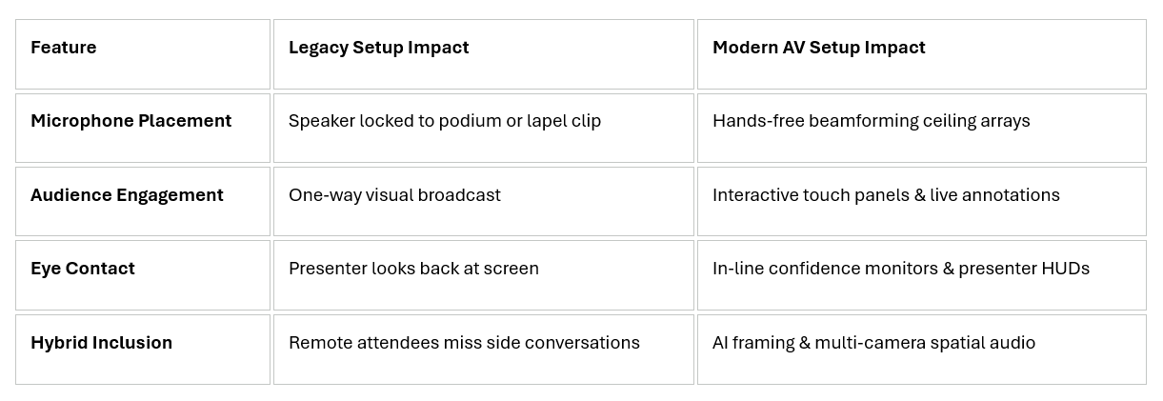
Beamforming Microphone Arrays: Ceiling-mounted microphone arrays isolate the speaker’s voice while filtering out room reverberation and ambient noise.
Zero-Touch Connectivity: Wireless display protocols eliminate cable management friction, allowing smooth transitions between presenters.
2. Enables Natural Movement via Intelligent Framing
Traditional setups lock presenters behind a lectern to remain in frame or near a boundary microphone. Modern visual systems remove these physical boundaries:
Presenter Tracking Systems: Optical and audio-based tracking allow speakers to walk, gesture, and engage directly with different sections of the room.
Ultra-Low Latency Confidence Monitors: Teleprompters and return monitors display audience reactions, timer countdowns, and upcoming slides at eye level, preventing the speaker from turning away from the audience.
3. Delivers Audio Clarity That Sustains Audience Attention
Auditory fatigue is a leading cause of audience disengagement. Poor sound forces listeners to work harder to decode words, leading to mental drop-off.
Acoustic Optimization: AI-driven digital signal processors (DSPs) automatically equalise room acoustics in real time.
Direct-to-Device Streaming: Accessibility tech like Auracast™ Bluetooth streams presentation audio directly to personal hearing devices or earbuds, ensuring full speech intelligibility for every attendee.
4. Directs Audience Focus with Immersive Visuals
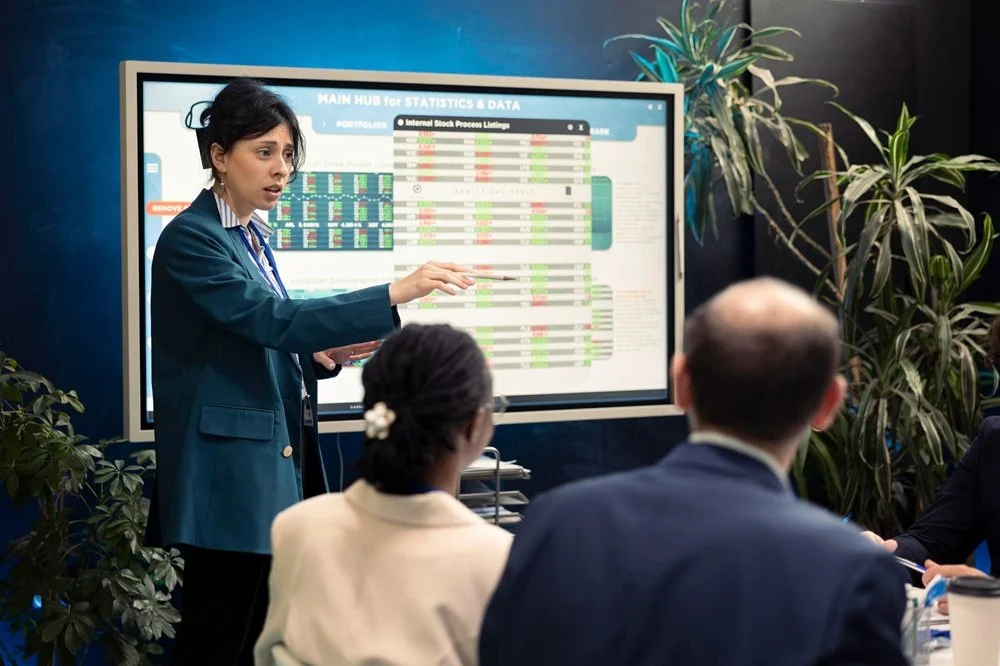
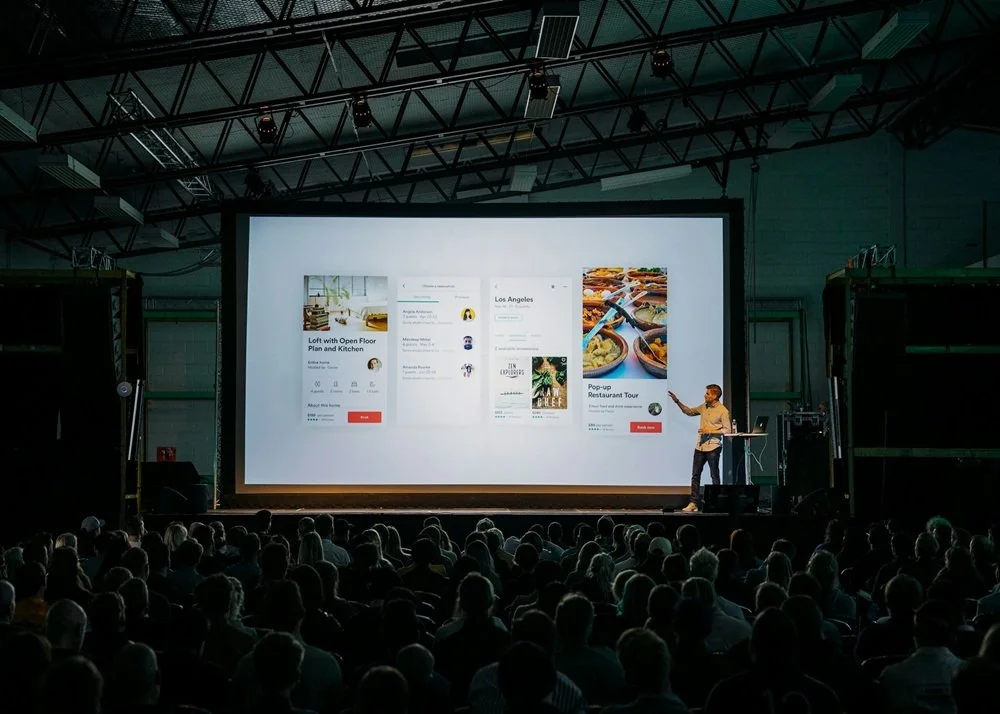
Visual communication requires clear, distraction-free displays. High-resolution 4K and 8K LED walls allow presenters to showcase detailed data visualisations that remain legible from the back row of an auditorium. Interactive touch displays turn static presentations into collaborative workshops where speakers can annotate, diagram, and alter content live on screen.
Essential AV Capabilities for High-Impact Presenters

Summary
Modern audio-visual technology transforms public speaking by removing technical barriers and creating fluid, high-impact environments.
Through automated beamforming microphones, AI-driven camera tracking, dynamic confidence displays, and crystal-clear LED visuals, presenters are freed from physical constraints like stationary lecterns and manual controls.
By eliminating cognitive distraction for speakers and reducing auditory fatigue for audiences, next-generation AV infrastructure ensures presentations remain engaging, professional, and impactful across both in-person and hybrid settings.
Frequently Asked Questions
How does AV technology improve presenter confidence?
By automating technical controls like audio levels, lighting, and camera tracking, AV technology removes stage anxiety. Presenters can focus entirely on storytelling and message delivery rather than managing equipment.
Why is audio clarity more important than video quality in presentations?
Auditory fatigue sets in much faster than visual fatigue. If an audience struggles to hear or comprehend the speaker's voice, cognitive overload occurs, leading to a loss of retention and engagement.
What AV equipment is essential for modern corporate boardrooms?
Key components include intelligent ceiling microphone arrays, high-resolution visual displays (LED/4K/8K), automated speaker-tracking cameras, wireless presentation systems, and interactive digital whiteboards.
How does next-generation AV technology differ from traditional presentation setups?
Traditional audiovisual setups rely on static tools like standard projectors, hand-held clickers, and wired microphones. By contrast, next-generation AV technology integrates AI-driven hardware and dynamic software to remove manual configuration:
Smart Tracking & Framing: AI auto-tracking cameras automatically pan, tilt, and zoom to keep presenters in frame without dedicated camera operators.
Advanced Acoustic Capture: Beamforming microphone arrays filter out ambient room noise and isolate spoken audio across large rooms.
Wireless Collaboration: Systems feature dynamic screen sharing and real-time interactive displays that connect across mobile, desktop, and remote endpoints.
According to research from organizations like Gartner and Crestron, modern automated AV setups reduce meeting friction and technical setup times by over 60%, allowing presenters to focus purely on delivery.
How can next-gen AV tools improve a speaker's non-verbal communication and body language?
Next-gen AV tools improve non-verbal communication by eliminating physical constraints like fixed podiums and hand-held devices:
Unrestricted Movement: Ceiling-mounted microphone arrays capture speech clearly from anywhere in the room, letting presenters move naturally across the stage.
Natural Gesture & Posture: Hands-free presenter tracking frees speakers from holding clunky equipment or leaning over a laptop, encouraging open body language and active hand gestures.
Multi-Directional Eye Contact: AI presenter-tracking cameras maintain natural framing so in-person and hybrid attendees receive equal eye contact and visual presence.
What role does real-time AI feedback play in enhancing presentation skills?
Next-generation AV systems incorporate real-time AI performance analytics that act as a live presentation coach:
Pacing & Filler-Word Detection: Integrated audio software tracks words-per-minute (WPM) and highlights overuse of filler phrases (e.g., "um", "ah", "like").
Tone & Vocal Variety Coaching: Machine learning algorithms analyze pitch fluctuation and energy levels to help speakers avoid monotone delivery.
Audience Engagement Metrics: Optical sensors evaluate audience head pose and visual attentiveness, giving presenters post-session data on which sections held maximum focus.
Do complex next-gen AV systems make technical failures more likely during a live speech?
No. Next-gen AV systems actually lower failure rates compared to legacy setups by automating environment control and self-calibrating in real time:
Zero-Touch Automation: One-touch or proximity-based control panels configure audio levels, lighting presets, and display inputs automatically when a presenter steps up.
Self-Healing Infrastructure: Cloud-managed AV hardware performs automated diagnostic checks, updating firmware and rerouting audio paths if a secondary hardware component fails.
Adaptive Environmental Control: Built-in DSPs (Digital Signal Processors) dynamically neutralize room echo and background HVAC noise without requiring manual mixer adjustments.