

How modern audio visual solutions can benefit the NHS

The NHS is under constant pressure to do more with less. Rising patient demand, workforce shortages, ageing estates and the need for faster, clearer communication all present daily challenges.
Modern audio-visual (AV) solutions are increasingly proving to be a practical, cost-effective way to improve efficiency, collaboration and patient experience across the health service.
From hospitals and GP surgeries to training centres and administrative hubs, well-designed AV systems can support both frontline care and back-office operations.
Improving clinical communication and collaboration
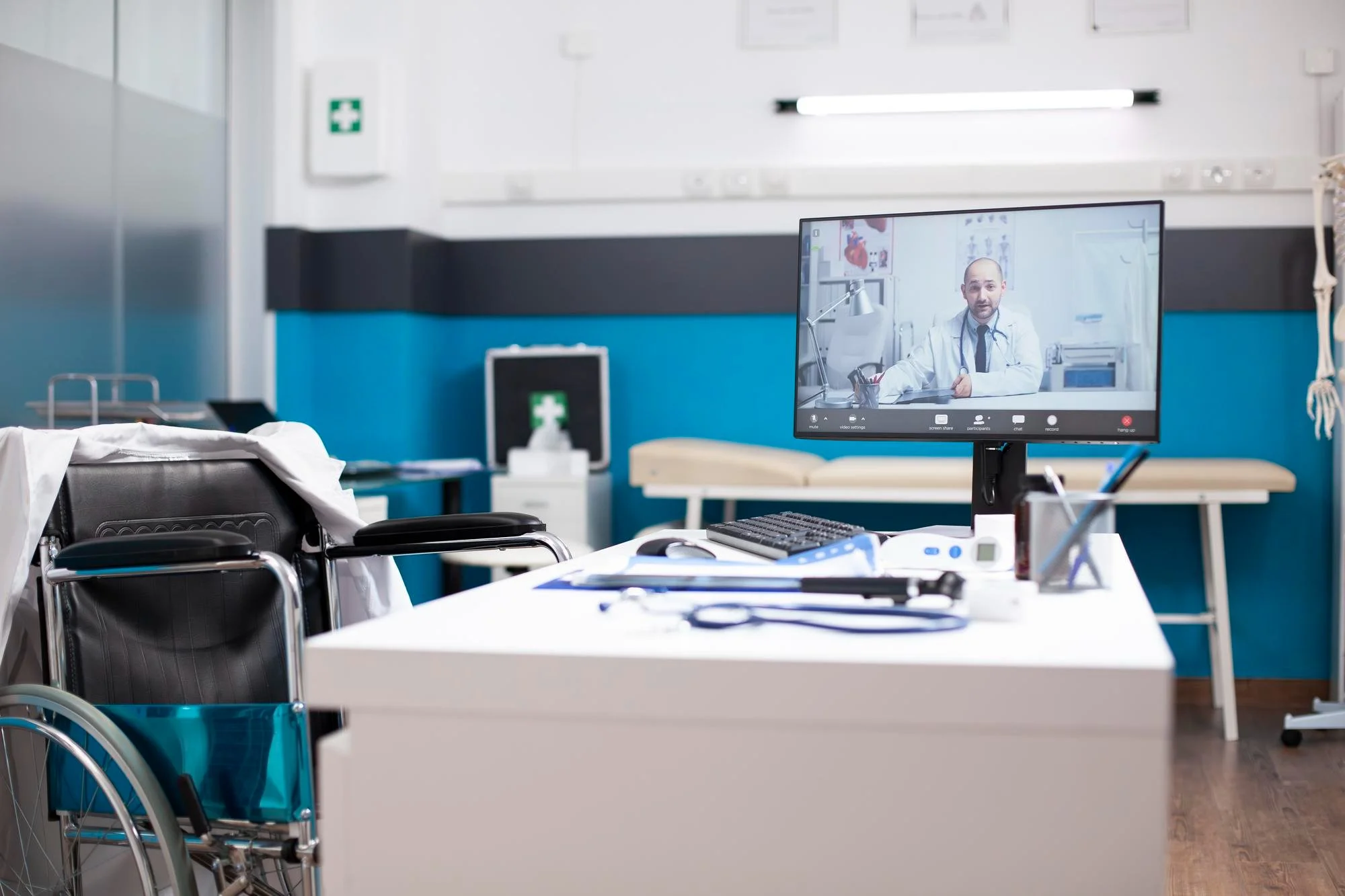
Clear communication is critical in healthcare. Modern AV solutions such as high-quality video conferencing, digital collaboration tools and interactive displays allow clinicians to consult, collaborate and make decisions more effectively.
Remote multidisciplinary team (MDT) meetings, for example, can be held with reliable video and audio, enabling specialists to join from different sites without unnecessary travel. This saves time, reduces costs and helps ensure that patients benefit from timely, collective clinical expertise. In rural or under-resourced areas, AV-enabled consultations can also support access to specialist input that may otherwise be difficult to obtain.
Supporting training and professional development
The NHS workforce must continuously adapt to new treatments, technologies and guidelines. Modern AV systems play an important role in training and education by enabling flexible, scalable learning.
Lecture capture, live-streamed training sessions and interactive teaching spaces allow staff to learn without always needing to be physically present. This is particularly valuable for shift-based roles, where attending traditional classroom sessions can be challenging. Recorded sessions can also be revisited, helping to reinforce learning and support consistent standards across organisations.


Enhancing patient experience
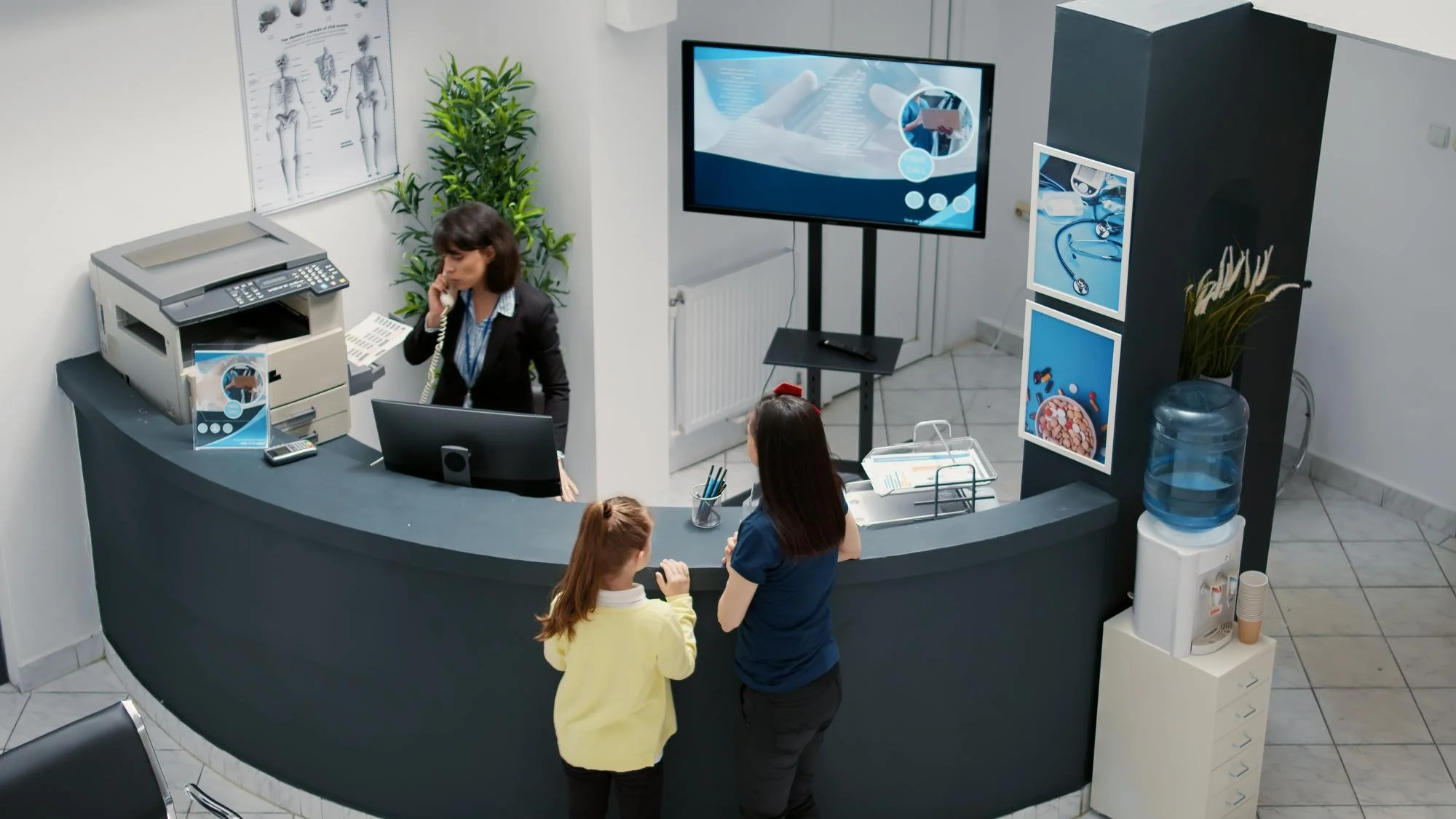
AV technology can have a direct and positive impact on patients. Digital signage in waiting areas can provide clear, up-to-date information about appointments, clinics and delays, helping to reduce anxiety and confusion. Educational content can also be displayed to promote health awareness, explain procedures or support self-care.
In clinical settings, video-enabled consultations and bedside entertainment systems can improve comfort and engagement, particularly for long-stay patients. Clearer communication between staff and patients builds trust and contributes to a more positive overall experience.
Making better use of NHS estates
Many NHS buildings are ageing, and space is often at a premium. AV solutions can help organisations use their estates more effectively. Meeting rooms equipped with modern conferencing tools can support hybrid working, reducing the need for large physical gatherings. Flexible spaces with integrated AV can be quickly adapted for meetings, training or briefings as needs change.
This adaptability supports more efficient use of space and aligns with wider NHS goals around sustainability and reduced travel.
Strengthening emergency and operational response
In high-pressure situations, such as major incidents or winter pressures, rapid access to accurate information is essential. Control rooms and command centres equipped with large displays, data visualisation tools and reliable audio systems allow leaders to monitor situations in real time and coordinate responses more effectively.
Clear, consistent communication across teams can improve decision-making and help ensure that resources are deployed where they are needed most.
A strategic investment, not just a technical upgrade
To deliver real value, AV solutions must be thoughtfully designed and aligned with clinical and operational needs. This means working with trusted partners like AV2000 who understand the NHS environment, data security requirements and the importance of reliability and ease of use.
When implemented strategically, modern AV is not simply a technical upgrade. It is an enabler of better communication, more efficient working and improved patient care.
Conclusion
As the NHS continues to evolve, modern audio-visual solutions offer practical support for some of its most pressing challenges. By improving collaboration, supporting staff development, enhancing patient experience and making better use of existing resources, AV technology can play a meaningful role in building a more connected, resilient and effective health service.
CASE STUDY: Leeds Teaching Hospitals NHS Trust
AV2000 recently supplied audio visual solutions to enhance Leeds Teaching Hospital Trust’s multi-disciplinary team rooms, meeting spaces, and simulation training suites - creating environments that support effective clinical decision‑making, collaboration, and education.