

How AI is making audio visual systems smarter and easier to use
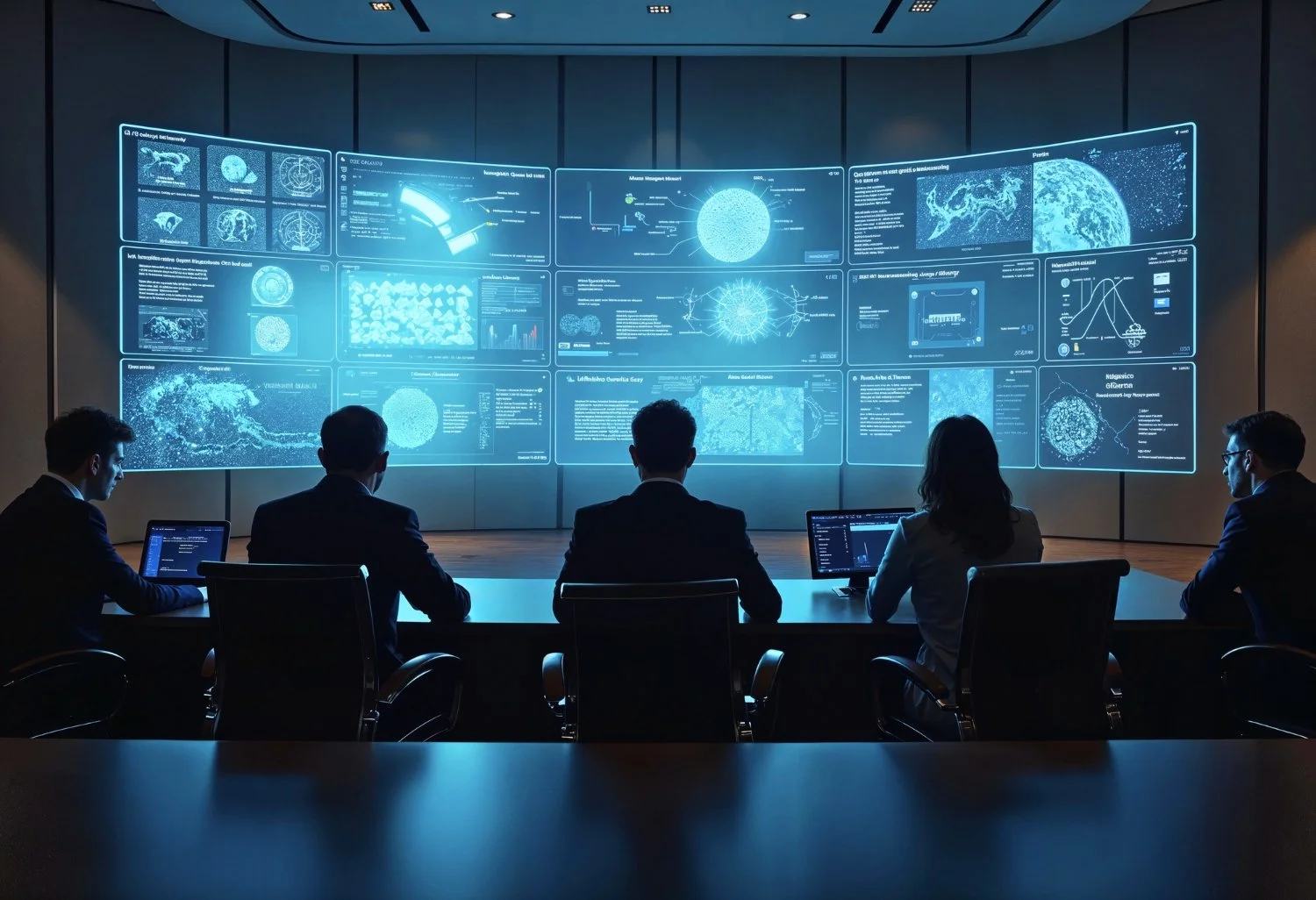
Audio Visual (AV) systems have come a long way from complex control panels and endless remote controls.
Today, artificial intelligence (AI) is transforming how AV technology is designed, managed and experienced - making it not only smarter, but far easier for everyday users to operate. From meeting rooms and classrooms to live events and smart buildings, AI is quietly removing friction and improving reliability across the AV landscape.
Smarter Systems That Learn and Adapt
One of the biggest advantages AI brings to AV systems is the ability to learn from behaviour. Modern AI-powered AV platforms can analyse how spaces are used and automatically optimise settings over time.
For example, an AI-enabled meeting room can:
Adjust audio levels based on room occupancy
Optimise camera framing depending on the number of participants
Automatically select the best display layout for presentations or video calls
Instead of relying on manual configuration, the system adapts intelligently - often without users even noticing.
Simplified Control for Non-Technical Users
Traditional AV systems often required specialist knowledge to operate. AI is changing that by introducing intuitive, user-friendly control methods.
Voice commands, natural language interfaces and smart automation mean users no longer need to understand what happens behind the scenes. A simple instruction such as “Start the meeting” can trigger a chain of actions: powering up displays, connecting calls, adjusting lighting and setting audio levels.
This reduces dependence on IT or AV support teams and makes technology more accessible to everyone.
Better Audio and Video Quality, Automatically
AI excels at real-time processing, which is especially valuable for audio and video performance.
AI-driven AV systems can:
Remove background noise and echo during calls
Enhance speech clarity in challenging acoustic environments
Automatically adjust brightness, contrast and colour balance on displays
Track speakers and frame them smoothly on camera
These improvements happen dynamically, ensuring consistent quality without manual tweaking - even when conditions change.
Predictive Maintenance and Reduced Downtime
Another key benefit of AI in AV systems is predictive maintenance. By monitoring performance data, AI can identify early warning signs of potential failures.
This allows organisations to:
Address issues before equipment breaks down
Schedule maintenance more efficiently
Reduce system downtime and costly disruptions
For businesses, universities and venues that rely heavily on AV technology, this proactive approach significantly improves reliability.
Seamless Integration with Smart Environments
AI-powered AV systems increasingly integrate with wider smart building technologies. They can communicate with lighting, climate control and room booking systems to create a more seamless user experience.
For instance, booking a room can automatically prepare the AV setup, adjust lighting and set the ideal temperature - all without manual input.
A More Human-Centred AV Experience
Perhaps the most important change AI brings is a shift towards human-centred design. Instead of users adapting to technology, technology adapts to users.
By reducing complexity, automating routine tasks and improving performance in the background, AI allows people to focus on what really matters: communication, collaboration and creativity.
Looking Ahead
As AI continues to evolve, AV systems will become even more intuitive, responsive and personalised. The future of AV is not about more buttons or features - it is about smarter systems that simply work when you need them.
In short, AI is turning AV technology from something you manage into something that works with you.