

How audio visual technology is transforming classrooms
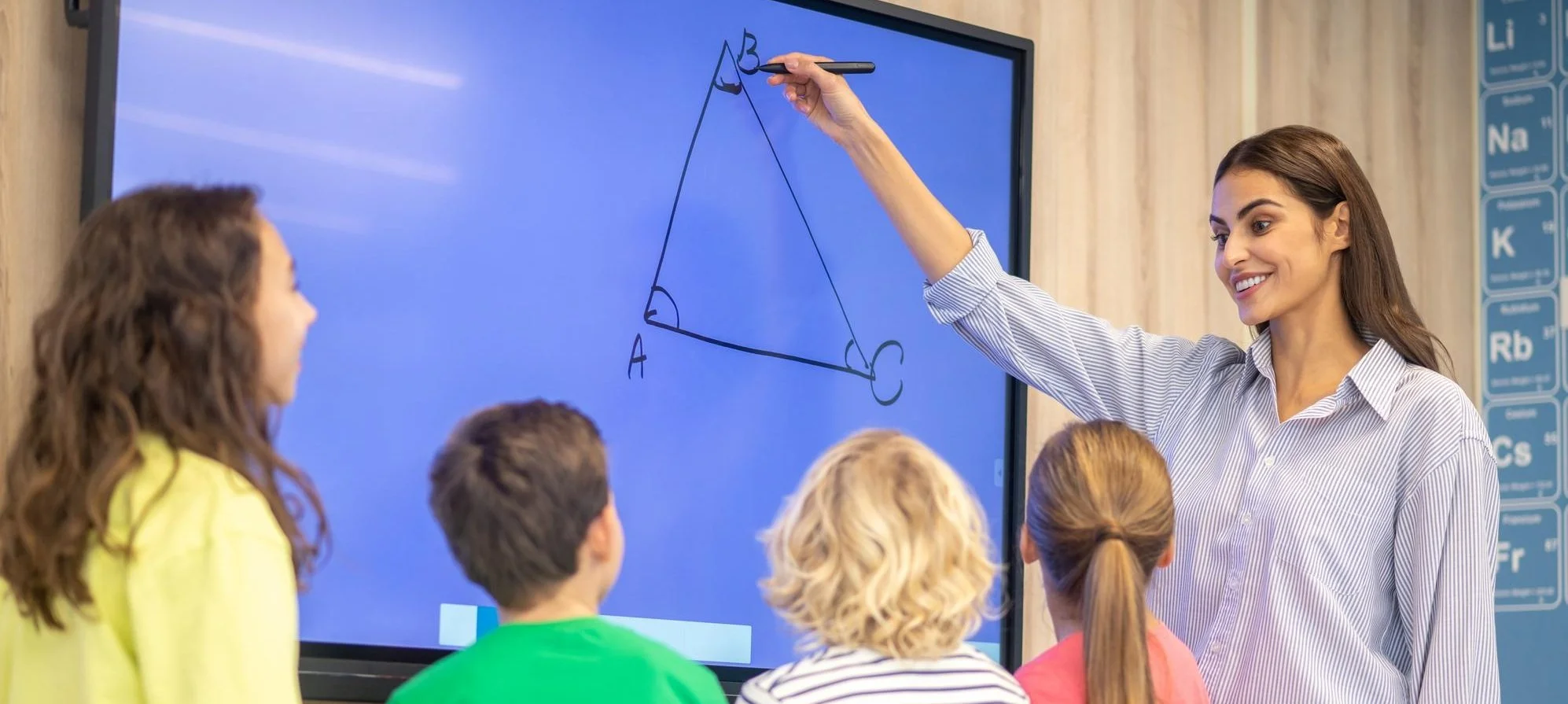
In recent years, audio visual (AV) technology has become an essential part of modern education. Classrooms are no longer limited to chalkboards, printed textbooks and traditional lectures. Instead, schools, colleges and training centres are increasingly adopting AV solutions to create more interactive, engaging and effective learning environments.
From interactive displays to video conferencing systems, AV technology is changing the way teachers teach and students learn.
Creating More Engaging Lessons
One of the biggest advantages of AV technology in classrooms is its ability to make lessons more engaging. Visual and audio elements help explain complex topics more clearly than text alone.
Teachers can now use:
High-definition displays
Interactive whiteboards
Educational videos
Animated presentations
These tools help students understand difficult concepts more easily. For example, instead of simply reading about the solar system, students can watch interactive simulations or 3D models that bring the topic to life.
This type of visual learning often improves student attention, participation and retention.
Supporting Different Learning Styles
Every student learns differently. Some learn best through reading, while others benefit from visual demonstrations or listening to explanations.
AV technology allows teachers to combine visual, auditory and interactive learning methods within the same lesson. This helps support a wider range of learning styles and ensures more students can understand the material.
For example:
Visual learners benefit from diagrams, videos and presentations
Auditory learners benefit from recorded explanations or discussions
Interactive learners benefit from touchscreen displays and quizzes
By integrating these methods, classrooms become more inclusive and effective.
Enabling Hybrid and Remote Learning
The demand for remote and hybrid learning has grown significantly in recent years. AV technology plays a crucial role in making this possible.
Video conferencing systems, cameras, microphones and lecture-capture tools allow students to join lessons from anywhere. This means learning can continue even when students cannot attend in person.
Hybrid classrooms allow teachers to deliver lessons to:
Students physically present in the classroom
Students attending remotely online
This flexibility ensures education remains accessible and uninterrupted.

Improving Collaboration
Modern AV solutions also make it easier for students to collaborate and share ideas.
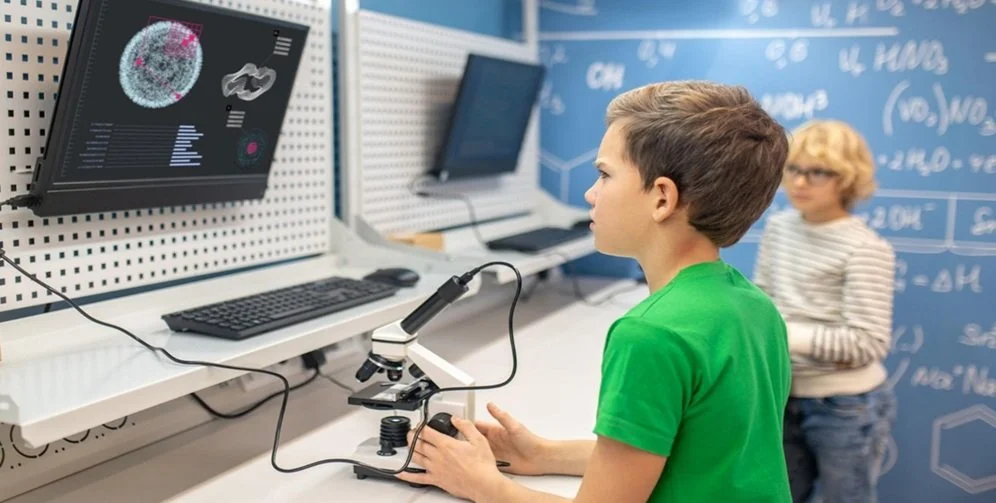
Interactive displays and wireless presentation systems allow multiple students to share content directly from their laptops or tablets. This encourages teamwork, discussion and group problem-solving.
Students can:
Present their ideas to the class
Work together on digital whiteboards
Share documents and presentations instantly
This collaborative approach helps develop important communication and teamwork skills.
Enhancing Teacher Efficiency
AV technology does not only benefit students; it also helps teachers manage lessons more effectively.
Teachers can:
Access digital resources quickly
Save and reuse lesson materials
Record lectures for future reference
Use automated systems to control classroom technology
These tools reduce the time spent on administrative tasks and allow teachers to focus more on delivering quality instruction.
Preparing Students for a Digital World
Technology plays a major role in modern workplaces. By integrating AV tools into education, schools help students develop digital skills that will be valuable in their future careers.
Students become familiar with:
Presentation technology
Collaboration tools
Digital communication platforms
Multimedia content creation
This prepares them for university and professional environments where technology is a central part of everyday work.
The Future of AV in Education
As technology continues to evolve, AV solutions will become even more advanced. Emerging innovations such as virtual reality (VR), augmented reality (AR) and AI-powered learning tools have the potential to create even more immersive educational experiences.
Smart classrooms equipped with advanced AV systems will continue to transform how knowledge is delivered and absorbed.
Conclusion
AV technology is reshaping the modern classroom by making learning more engaging, collaborative and accessible.
By integrating audio-visual tools into education, schools can create dynamic learning environments that support different learning styles and prepare students for the digital future.
As educational institutions continue to invest in AV solutions, the classroom experience will only become more interactive and effective for both teachers and students.
Want to discuss this further?
Our friendly AV experts are here to help:
0113 256 2200